


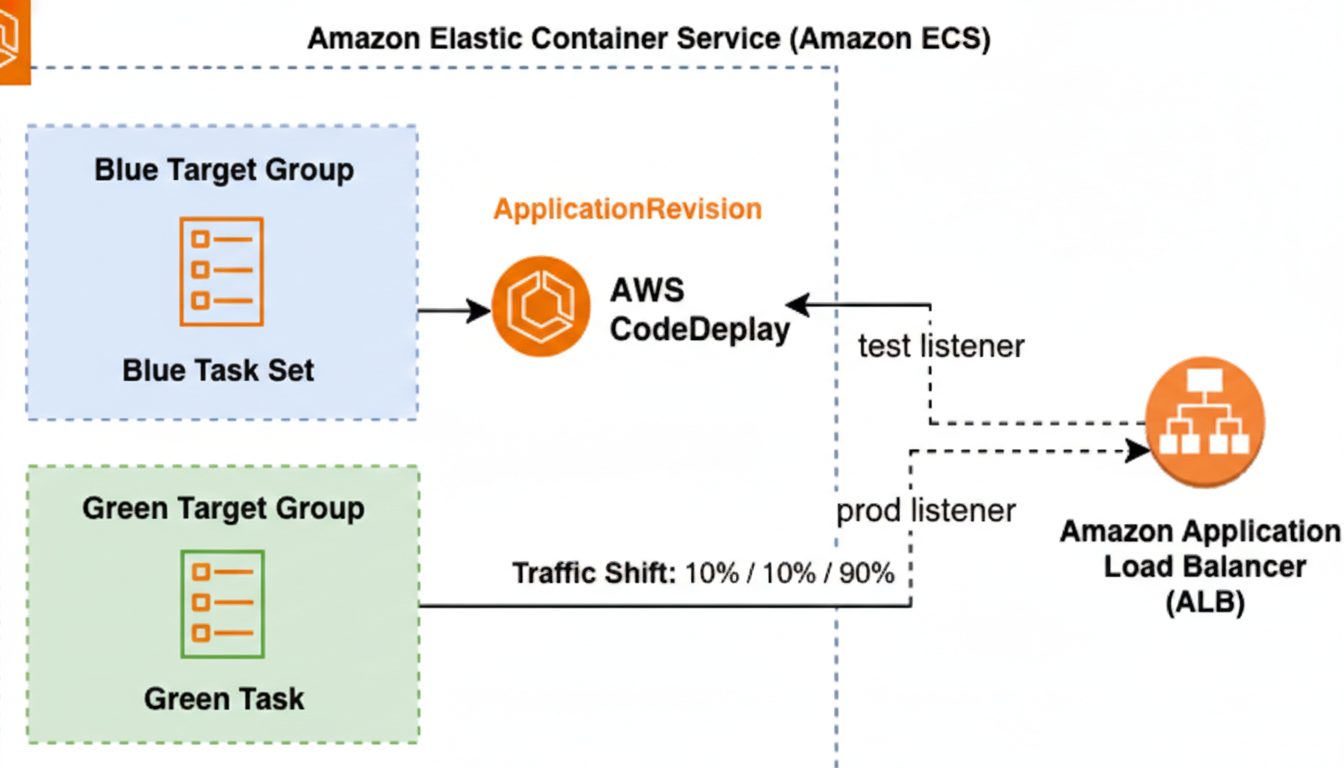
As businesses increasingly migrate their operations to the cloud, the infrastructure that powers them becomes more critical than ever. A brief outage or a security breach can have significant financial and reputational consequences. This is where 24/7 cloud monitoring comes in. It is the practice of continuously observing your cloud environment for performance issues, security threats, and operational anomalies. Far from being a simple IT task, it is a strategic business function that ensures stability and reliability around the clock. This article will explore why constant vigilance is non-negotiable, breaking down how 24/7 monitoring strengthens security, prevents costly downtime, optimizes performance, and ultimately drives better business outcomes.
Proactive threat detection and enhanced security
Your cloud environment is a valuable asset, and like any asset, it requires constant protection. Cyber threats are relentless and automated, operating 24 hours a day. A security strategy that only reacts to problems after they occur is no longer sufficient. Continuous monitoring acts as your digital watchtower, actively scanning for suspicious activity in real time. This includes identifying unauthorized access attempts, unusual data transfers, and potential vulnerabilities before they can be exploited.
By establishing a baseline of normal activity, a 24/7 monitoring system can instantly flag deviations that might signal a security breach. This proactive approach allows your security teams to investigate and neutralize threats immediately, rather than discovering a compromise days or weeks later. Furthermore, constant monitoring is often a core requirement for meeting regulatory compliance standards like GDPR, HIPAA, and PCI DSS, as it provides the necessary audit trails and proof of security controls.
Preventing costly downtime and ensuring availability
For most businesses today, downtime is not just an inconvenience; it’s a direct hit to the bottom line. Every minute your applications or services are unavailable can lead to lost revenue, decreased customer trust, and a halt in internal productivity. 24/7 monitoring is your first line of defense against unplanned outages. It moves your team from a reactive “break-fix” model to a proactive one focused on prevention.
Effective monitoring tools keep an eye on critical health metrics of your infrastructure, such as:
- Server CPU and memory utilization
- Database connection health
- Network latency and traffic patterns
- Available disk space
When a metric begins to approach a dangerous threshold, an alert is automatically triggered. This early warning gives your team the time needed to resolve the issue—like scaling resources or clearing disk space—long before it escalates into a full-blown outage that impacts your customers.
Optimizing performance and user experience
Beyond simply keeping your services online, 24/7 monitoring is essential for ensuring they run well. In a competitive digital market, user experience is paramount. A slow-loading website, a lagging application, or a transaction that times out can be just as damaging as a complete outage. Customers have little patience for poor performance and will quickly turn to a competitor.
Continuous monitoring provides the detailed data needed to understand and optimize every aspect of your application’s performance. By tracking metrics like page load times, API response rates, and query execution times, you can pinpoint bottlenecks in your system. This data-driven insight allows you to make informed decisions about infrastructure improvements, code optimizations, and resource allocation. The result is a faster, more reliable, and more satisfying experience for your end-users, which directly contributes to customer retention and brand loyalty.
Driving cost efficiency and resource management
One of the biggest advantages of the cloud is its flexible, pay-as-you-go pricing model. However, this same flexibility can lead to significant waste if not managed properly. Without a clear view of how your resources are being used, it is easy to fall into the trap of overprovisioning—paying for more capacity than you actually need “just in case.”
24/7 monitoring provides the visibility required for effective cost optimization. By analyzing historical usage data, you can identify idle or underutilized resources, such as virtual machines that can be shut down or rightsized. This ensures you are only paying for what you use. The table below illustrates the key differences between a managed and unmanaged approach.
| Aspect | Unmonitored environment | 24/7 monitored environment |
|---|---|---|
| Issue detection | Reactive (after failure) | Proactive (before failure) |
| Resource usage | Often overprovisioned and wasteful | Optimized for actual needs |
| Security posture | Vulnerable to undetected threats | Real-time threat alerts |
| Cost management | Unpredictable and often high | Controlled and efficient |
Ultimately, monitoring transforms your cloud spending from a guessing game into a precise, data-backed strategy.
In conclusion, 24/7 cloud monitoring is much more than a technical best practice; it is a fundamental pillar of a resilient and successful modern business. By providing constant vigilance over your digital infrastructure, it shifts your organization from a reactive to a proactive stance. This approach not only hardens your security and prevents costly downtime but also enhances application performance to deliver a superior user experience. Moreover, the deep insights gained from continuous monitoring enable intelligent resource management and significant cost savings. Viewing 24/7 monitoring as a strategic investment is crucial for anyone serious about protecting their assets, satisfying their customers, and achieving sustainable growth in the cloud.